What You Need to Know About the Current Strain
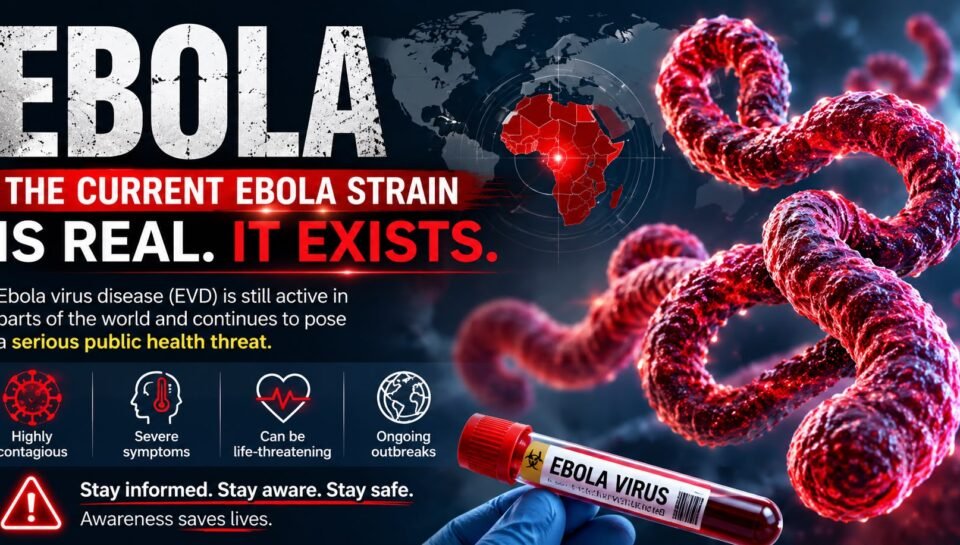
In 2026, health authorities are responding to an outbreak of Ebola Virus Disease (EVD) caused by the Bundibugyo virus (BDBV) in the Democratic Republic of the Congo (DRC) and Uganda. The World Health Organization (WHO) has declared the outbreak a Public Health Emergency of International Concern due to its rapid spread and the challenges associated with controlling this rare strain. (World Health Organization)
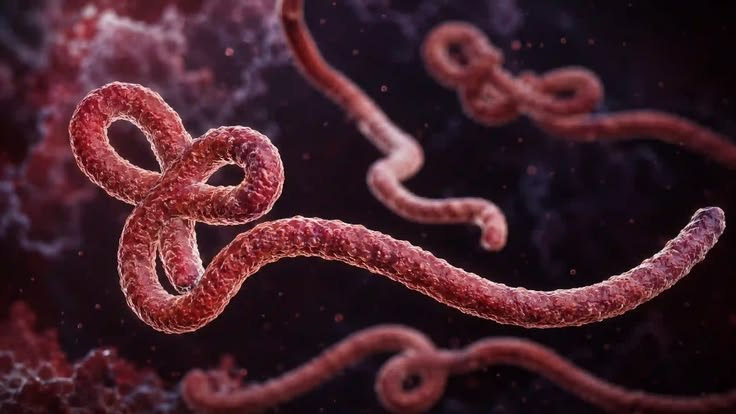
The Bundibugyo virus is one of several species of Ebola virus. While less well-known than the Zaire Ebola virus, it can still cause severe illness and death. Current outbreaks have affected multiple provinces in eastern DRC and have resulted in cross-border cases in Uganda. Public health experts are closely monitoring the situation and strengthening surveillance, treatment, and community engagement efforts. (ECDC)
What Is Bundibugyo Ebola Virus?
Bundibugyo virus was first identified in Uganda in 2007. Like other Ebola viruses, it causes Ebola Virus Disease, a serious illness characterized by fever, weakness, gastrointestinal symptoms, and, in some cases, bleeding complications.
Symptoms may include:
- Sudden fever
- Severe headache
- Fatigue and weakness
- Muscle and joint pain
- Vomiting
- Diarrhea
- Abdominal pain
- Unexplained bleeding or bruising in severe cases
Symptoms typically develop between 2 and 21 days after exposure.
How Does It Spread?
The virus spreads through direct contact with:
- Blood or bodily fluids of an infected individual
- Contaminated surfaces or medical equipment
- Infected animals
- Bodies of deceased Ebola patients
Ebola is not spread through the air like influenza or COVID-19.
Why Is This Outbreak Concerning?
The current Bundibugyo outbreak presents unique challenges:
- No licensed vaccine currently exists specifically for Bundibugyo Ebola.
- No approved targeted treatment is available.
- The outbreak is occurring in regions affected by conflict, population displacement, and limited healthcare resources.
- Community mistrust and delayed detection have complicated response efforts. (World Health Organization).
Despite these challenges, early diagnosis and supportive medical care significantly improve survival.
How Can Ebola Be Prevented?
Practice Excellent Hand Hygiene
Wash hands frequently with soap and water or use alcohol-based hand sanitizer.
Avoid Contact with Bodily Fluids
Avoid direct exposure to blood, vomit, diarrhea, saliva, or other bodily fluids from sick individuals.
Use Personal Protective Equipment (PPE)
Healthcare workers should use appropriate protective equipment when caring for suspected or confirmed Ebola patients.
Support Community Education
Accurate public health information helps reduce fear, misinformation, and disease transmission.
Strengthen Surveillance and Reporting
Prompt reporting of suspected cases allows public health authorities to isolate cases and trace contacts quickly.
Best Course of Action for Communities and Organizations
If Ebola is suspected:
1. Immediately isolate the individual.
2. Notify public health authorities.
3. Use appropriate PPE before any contact.
4. Avoid direct handling of bodily fluids.
5. Cooperate with contact tracing efforts.
6. Follow national and international infection prevention guidelines.
Healthcare organizations should maintain outbreak preparedness plans, conduct regular staff training, and ensure adequate supplies of PPE and infection-control materials.
The Bottom Line
The current Ebola outbreak is being driven by the Bundibugyo strain of Ebola virus, a rare but serious pathogen that continues to pose a significant public health challenge in Central Africa. While the risk remains concentrated in affected regions, global vigilance, rapid response, infection prevention measures, and community engagement remain essential to controlling transmission.
Awareness saves lives. Preparedness prevents outbreaks. Community action protects everyone.
Prepared by: Damilola Seriki, PMHNP